
Namiko Hirasawa Chen has been sharing and creating “foolproof Japanese home-cooked” recipes for people around the world for the past 14 years.
With the holiday season in full swing, the Just One Cookbook site
offers delicious traditional recipes and the perfect unique gift straight from Japan.
By Gil Asakawa, P.C. Contributor
Anyone who loves Japanese food — and many Japanese Americans — are familiar with these three words: “Just One Cookbook.”
They’re the name of the go-to source for recipes and instruction videos for cooking more than 1,200 Japanese dishes online at JustOneCookbook.com. The site was founded in 2011 by Nami Hirasawa Chen.

Shen Wen Chen co-launched JOC Goods with his wife, Nami. (Photos: Courtesy of Just One Cookbook)
The videos are collected on Just One Cookbook’s YouTube channel, and home chefs can order cookbooks from the website, too. And since late last year, there’s a sister site, JOC Goods, launched by Nami and her husband, Shen Chen, where people can order artisan Japanese tableware and kitchenware from Japan and have it shipped directly to their front doors.
The e-commerce business was created as a response to requests from fans asking where they could find the utensils, tools and dishes Nami uses in her videos and photos to style the cuisine she cooks.
The response has been more than positive.
“It’s going pretty well. I think, so far, at the latest count, I think we’ve done close to 5,100 orders since we started in September,” said Nami.
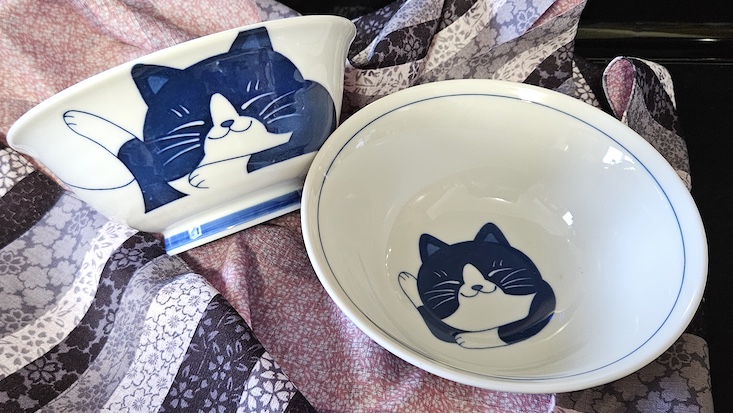
The Tuxedo Cat Ramen Bowl adds “a lighthearted touch to everyday meals while maintaining the elegance of porcelain.” It is $40. (Photo: Gil Asakawa)
With the holiday gift-buying season now upon us, the JOCGoods.com site offers more than 1,000 unique items running the gamut from kitchenware, plates, bowls and drinkware to chopsticks, Japanese knives and soy sauce dispensers to home décor and incense. And they’re all curated by the Chens, who travel through Japan multiple times a year searching for artisan items that they can add to their collection.
“We are pretty happy with the support from the community,” she continued. “It’s very interesting — we definitely see what people like and what they don’t like, so we’re still in the process of learning products to source. But our readers, our customers, definitely have a strong interest in Japanese kitchenware, so our kitchenware do particularly well.”
By kitchenware, the site sells useful items such as a set of three stainless-steel prep trays with lids (perfect for making tonkatsu or karaage, with meat in the first, then the egg batter, then flour or starch before frying) or a Paulownia Wood Rice Container with a built-in scoop (the wood is a natural insect repellant) and Hinoki wood antibacterial cutting boards to a myriad of graters, tongs, ladles, spatulas, onigiri molds and more. There’s even a Natto Suribachi Bowl with a Natto Stirring Stick — the perfect holiday gift for the natto lover in your life!
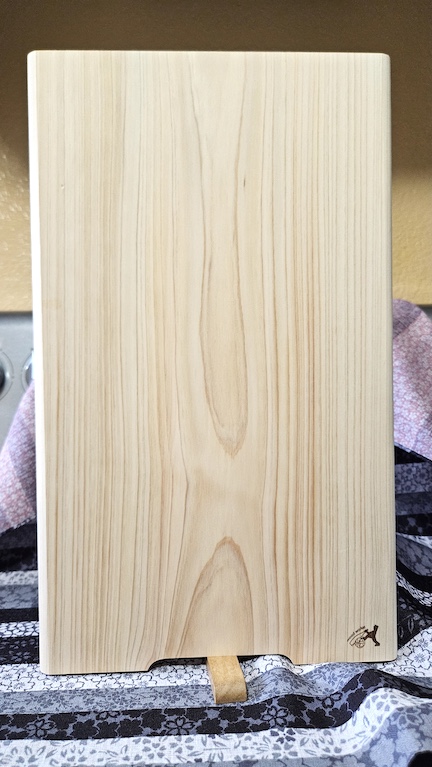
The Hinoki Cutting Board is “handcrafted from a single piece of Shimanto hinoki cypress, a wood cherished in Japan for its gentle touch on knives and subtle, calming fragrance.”
It is available for $114.
Photos: Courtesy of
Just One Cookbook
There’s such a range of products available, and they’re not all to help with cooking — people like how she serves the food, too.
“I would say over half of our products are the on the tableware side, like ramen bowls,” she points out.
The JOC Goods store has a section for just ramen bowls, with 36 products featuring various shapes and styles, from handcrafted pottery to smooth ceramic bowls with different traditional patterns and contemporary designs (including cute cats).
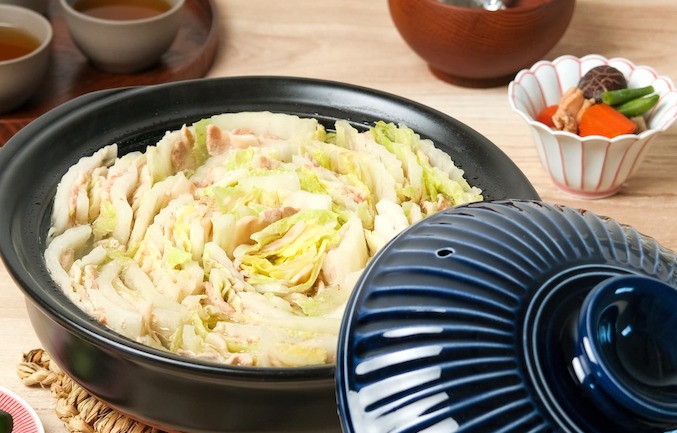
Ginpo Kikko Family-Size Donabe is available for purchase on the JOC Goods site for $111. Featured in it is the Mille-Feuille Nabe, the JOC’s featured recipe of the week, made with napa cabbage and thinly sliced pork. As JOC calls it, “Simple, nourishing and perfect for sharing on cool days.”
Meanwhile, the original JustOne Cookbook.com site continues to add new recipes, some by request, all inspired by Nami’s life experience growing up in Japan. The JOC recipe site is the largest English-language website for Japanese recipes and is arranged according to course, everyday, ingredient, diet, season (including the holidays and New Year’s) and collection. Recipes are also available gluten-free, kid-friendly, vegan and much more.
Sign up for her newsletter, and home cooks will receive a daily recipe such as the recent one with the subject line “NEW! Salmon and Ikura Dashi Chazuke,” followed by the text in Nihongo.
The main website also has been redesigned for easier access to the massive site’s sections, starting, of course, with the recipes but also leading to essays and tips written by Nami and Shen and their staff of expert writers for Beginners; Japanese Cooking Guides with history and cultural background on dishes like ramen, sushi and dashi; a Pantry section with resources, a list of Asian grocery stores worldwide and a guide to ordering ingredients online and articles about chilled and frozen ingredients; a section chockfull of articles that make up a comprehensive travel guide to Japan, both by the Shens and contributors in Japan. And there’s a “Shop” link to JOC Goods.
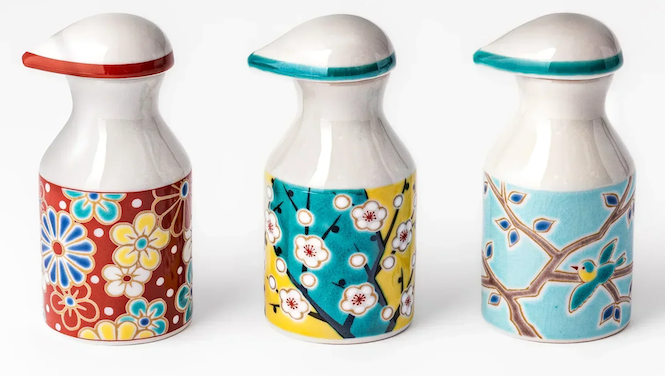
The (from left) Plum & Chrysanthemum, Spring Plum Blossom and Twin Songbird Soy Sauce Dispensers offer “smooth and accurate pouring, making it ideal for soy sauce, ponzu or other liquid condiments.” They are $53 each.
The online shop is a culmination of Nami’s own needs, she admits. “Yeah, it’s kind of like what I want and what I wish to have. And they’re things we cannot get here.”
Added Shen, “When we first started the store, we had almost 400 products. And now we’re over 1,000 different products.”
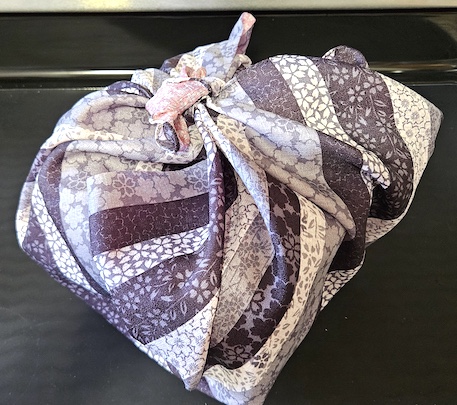
Items from JOC Goods are delivered wrapped in beautiful traditional furoshiki cloth material.
Photo: Gil Asakawa
One challenge, from a business perspective, is the cost of shipping. The couple hired staff in Tokyo to take and package the orders and ship them around the world. “Our struggle is because the shipping cost is so high. A lot of orders, we don’t make any money on,” Shen said. “But we feel like as long as our customers are getting a product that they really love, we’re happy.”
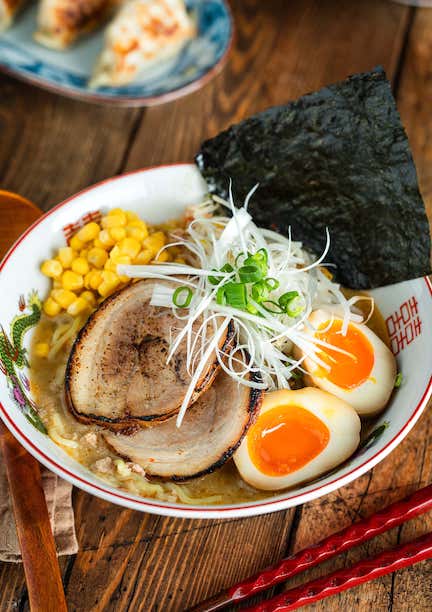
This Miso Ramen recipe can be made in less than 30 minutes with only a handful of ingredients.
The company goes the extra mile, and staff carefully wraps every order with protective packaging but also uses a traditional furoshiki cloth to wrap the order to evoke a truly Japanese touch.
The Shens’ goal in 2026 is to start bringing some products to the U.S. so that they can use ground shipping, which will lower the shipping cost for customers. For now, the company isn’t much affected by the Trump tariff policies. “Not at the moment, anyway, because most of our orders are below $100,” he explained.
The couple returned recently from a monthlong trip to Japan in July — the hottest, most miserably humid time of the year in Kyushu, where they traveled looking for products.
“It was stifling. But, you know, for us, you know, being able to visit the artisans and the kilns, being able to see the products made, was really a different experience because now we can tell their stories,” said Nami.
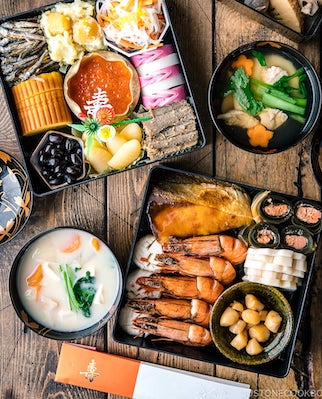
The traditional Japanese New Year’s meal, filled with symbolic foods often tied to their shape, is made easy following Nami’s step-by-step instructions.
When she is told that the Japanese American community relies so much on her recipes, Nami returns the appreciation. “We treasure the community, too, and the communication with the readers, so we always tell the team that we must respond to all the comments and emails,” she said.
It has taken 14 years, but Just One Cookbook’s YouTube channel has reached a million subscribers, a major milestone for any content creator, and Nami and Shen don’t regret any of the effort it took to achieve that goal.
Nami knows her role as a cultural bridge and representative for Japanese cooking done homestyle, and she finds great fulfillment knowing that she also helps others worldwide cook the same foods with which she grew up eating and enjoying.
“There are always people who, like social media especially, who follow all the new trends. But we always try to keep the traditional home cooking. It has been the same in Japan — we always have trendy food, but we also still eat the same home-cooked meals in Japan. And there’s always an audience for that.”
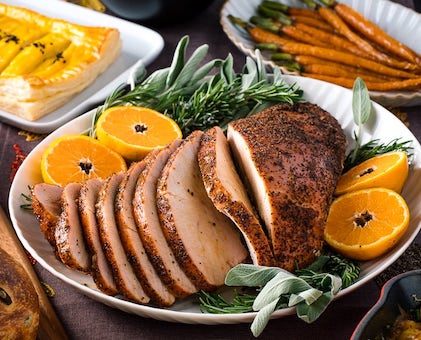
The Smoked Miso Butter Turkey Breast is “richly flavored, incredibly moist and so easy!” The addition of miso and soy sauce gives the turkey a “gentle umami” flavor.
That’s her sweet spot as a home cook, she concludes. “I always want to focus on that specifically,” said Nami. “And then there are other American bloggers or Japanese people sharing more trendy recipes, and I think that’s great. So, while I’m still alive, I should still focus on what I know, and I’m the kind of bridge, so I should do what I can while I’m on this earth. . . . I’m trying to preserve more traditional Japanese food.”